
Key Takeaways
- Optimize on-page elements to improve search engine rankings.
- Create high-quality, long-form content that addresses user intent.
- Enhance website speed and mobile responsiveness for a better user experience.
- Build a robust backlink profile through strategic outreach.
- Leverage AI-powered tools for content optimization and predictive analytics.
Achieving real, sustainable organic growth in today’s digital economy is about more than just ranking a few key search terms. With advanced search engine algorithms, businesses must approach SEO holistically, blending on-page and off-page strategies that resonate with both users and search engines. It is in this context that working with an experienced SEO company in NYC can deliver measurable results, helping brands stay visible and competitive in an ever-evolving landscape. Understanding and implementing modern SEO strategies ensures a strong foundation for lasting growth.
Modern SEO amplifies visibility by prioritizing user intent, seamless website experiences, and data-driven insights. From on-page optimization to innovative AI-driven tactics, businesses equipped with the latest SEO know-how can attract targeted audiences and outperform competitors. The strategies detailed below empower brands to capture organic growth and build authority in their niche.
Optimize On-Page Elements
Mastering SEO at the page level involves optimizing title tags, meta descriptions, headers, and URLs for better search engine and user comprehension. Key strategies include using structured headers (H1, H2, H3), descriptive metadata, and keywords, alongside ensuring mobile compatibility through resources such as Google’s Mobile-First Indexing Best Practices. Not everybody knows how to do this off the bat and therefore they lean into companies who they can outsource to to ensure that their SEO strategy is on point. If you don’t know what you’re doing with SEO it’s much better just to admit that you don’t know what you’re doing and ask for help from the experts as that’s how you’re going to get ahead. Focusing on these elements enhances trust and accessibility, boosting chances of first-page rankings. Moreover, a clear navigation system and effective internal linking increase user engagement and improve search engine crawlability by clarifying site hierarchy.
Create High-Quality, Long-Form Content
Content is the backbone of every organic growth strategy. Search engines reward websites that offer comprehensive, valuable, and up-to-date information that satisfies user queries. Long-form content, exceeding 1,000 words when appropriate, allows deeper exploration of a topic and encourages visitors to remain on your page longer. This type of content should be organized with subheadings, bullet lists, images, and other media that boost readability and engagement.
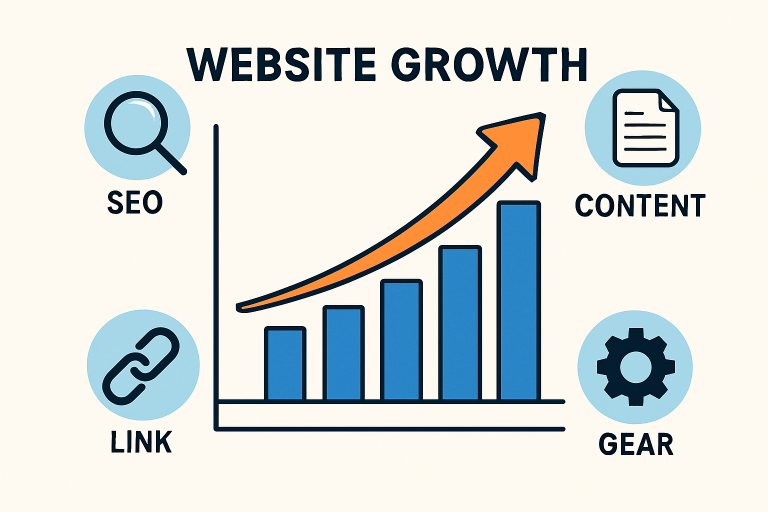
Adopting a strategic approach through editorial calendars ensures you regularly publish relevant content. Covering trending topics, creating evergreen resources, and answering frequently asked questions will position your brand as an industry authority. For more guidance on crafting effective digital content, review articles from established sources like Moz’s SEO Learning Center, which offers valuable insights for both beginners and experts.
Enhance Website Speed and Mobile Responsiveness
Page load speed and mobile responsiveness are now central ranking factors in Google’s algorithm. Slow or poorly optimized sites cause users to abandon pages, undermining your organic strategy. Techniques such as image compression, browser caching, and code minimization deliver significant gains. Responsive web design adjusts your content for all screen sizes, delivering cohesive experiences whether your visitor is on a smartphone, tablet, or desktop.
Monitoring site performance using free tools like Google PageSpeed Insights can help you identify opportunities for improvement and stay ahead of user expectations. With the majority of global search traffic coming from mobile devices, these technical optimizations are essential.
Build a Robust Backlink Profile
Backlinks, or links pointing to your site from trustworthy external websites, signal authority to search engines and play a pivotal role in organic rankings. Building a robust backlink profile takes effort and authenticity. Focus on outreach to high-quality industry publications, reputable blogs, and complementary businesses for guest posting opportunities. Producing research reports, original case studies, or visual content such as infographics can naturally attract organic links.
Be wary of shortcut tactics or questionable link schemes. Google’s algorithms can penalize sites for manipulative practices. Instead, follow guidance from established digital marketers and reinforce your efforts by learning from resources like Search Engine Land’s link-building guides for long-term authority gains.
Leverage AI-Powered Tools for Content Optimization
The advancements in artificial intelligence have revolutionized how digital marketers approach SEO. Modern AI-powered tools enable the analysis of search trends, content performance, and user intent with unprecedented precision. Marketers can use these tools to identify keyword opportunities, predict ranking chances, and suggest improvements that resonate with audience goals. This allows content creation teams to work smarter and deliver hyper-targeted material aligned with real-time search demand.
Machine learning platforms not only support content creation but also inform strategic decisions regarding overall site optimization. Utilize automation where possible to gain an edge, adapting quickly to evolutions in search behavior and algorithmic priorities.
Implement Predictive Analytics for Hyper-Personalized Content
Predictive analytics is the next frontier in customer-focused SEO. By leveraging data about user actions, preferences, and behavior, brands can anticipate what content will perform best. For example, if analytics reveal that a segment of your audience often searches for “beginner’s fitness plans,” you could serve tailored articles or guides matching those interests. Personalization deepens engagement and increases conversion potential. Predictive tools monitor factors such as search history, content interactions, device type, and location. Serving relevant articles at the right moment enhances user satisfaction and builds enduring loyalty.
Regularly Monitor and Update Your Strategy
SEO requires continuous adaptation to evolving algorithms, changing user preferences, and dynamic competition. Monitoring your platform’s performance with tools like Google Analytics and Google Search Console enables data-driven decisions over time. Regularly auditing your site ensures content is fresh, links are functional, and tactical SEO adjustments can be applied promptly. Staying abreast of industry developments is equally important so you can anticipate the direction of search engine updates and pivot as needed.
Conclusion
Implementing these advanced SEO strategies will help businesses drive sustainable organic growth and dominate their digital market sector. Prioritizing on-page fundamentals, valuable content, superior site performance, robust link building, and leveraging AI-driven insights will consistently position your website for higher visibility and greater organic reach.