Life events are important; you see, they impact conference halls, product launches with waiting lists, and brand activations that stay in people’s minds long after they end.
Digital marketing can reach wide audiences, but having in-person experiences helps to build trust in a direct and human way.
If you run a business, events give you something powerful: they place your brand in the same room as your audience. People hear your message, they see your product, and they experience your culture in real life.
Here’s how to use events to grow your business with purpose and clear results.
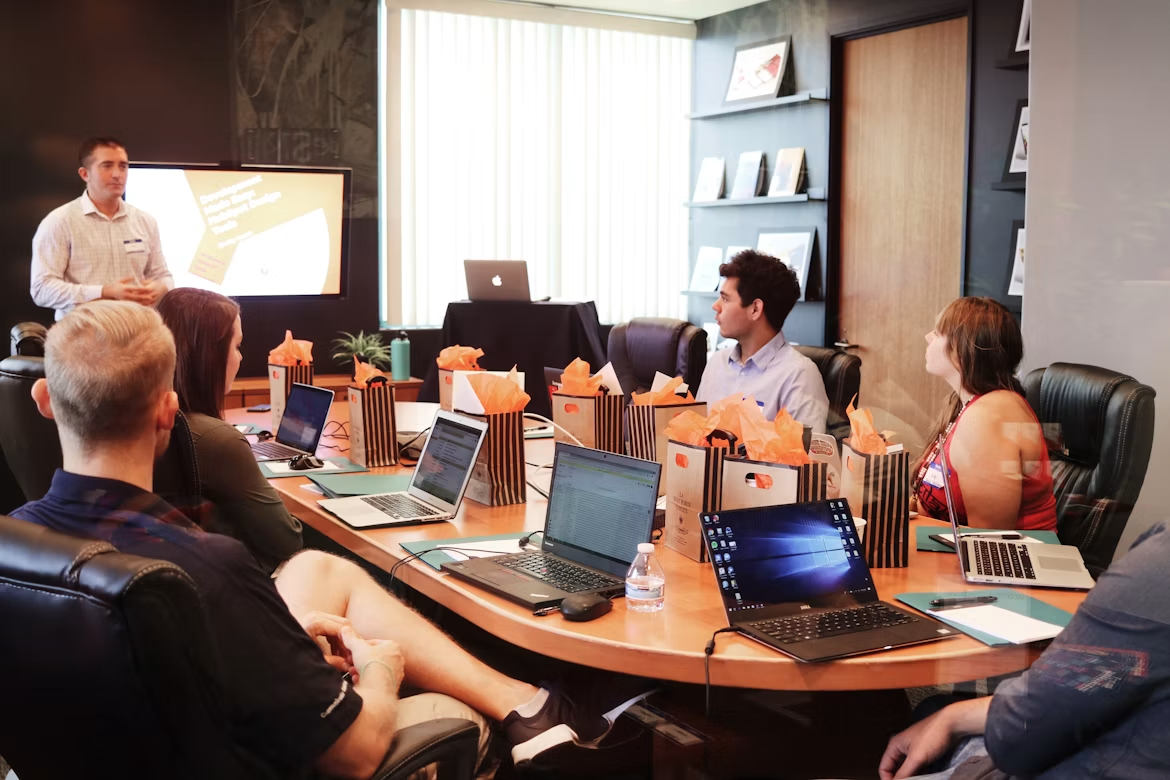
Photo by Rodeo Project Management Software on Unsplash
Why Events Still Work in a Digital World
Your customer spends hours online every single day; they scroll, compare, and move on quickly. Attention is very short, and competition is constant.
But when someone registers for your event and shows up, they are committing their time to you and your brand. That changes the whole dynamic. Time helps to build a connection.
At a live event, you shape the environment; you control the lighting, sound, visuals, and pacing. You can create strong audiovisual experiences that hold attention and make your message easier to absorb.
Clear sound and sharp images are not just extras; they actually help people focus and understand what you are saying. People remember how your event made them feel.
If it feels organized, professional, and welcoming, that impression carries over into your brand, and that’s how trust grows much quicker in person. A short conversation during a break can move a relationship forward in a way that a week of emails can never achieve.
Building Authority Through Events
When you host or headline an event, you step into a leadership role. You are no longer just promoting your services; you are creating a space for ideas, conversations, and learning. This completely changes how people see you.
You might launch a new product in front of a live audience, run a seminar to explain changes in your industry, or even bring partners and clients together for a private networking session. All of these are great ways to show that you understand your field and that you are confident enough to stand at the front of the room.
Authority doesn’t come from claiming that you are the best; it comes from actually showing that you have the knowledge and can offer something useful. When you answer questions openly and share insights without any pressure, people notice this.
Over time, this type of consistency builds a reputation, and a reputation is something that supports growth long into the future.
Events as a Core Part of Your Marketing Strategy
Some businesses treat events as isolated projects; they book a venue, send invitations, and hope for a good turnout. That approach is going to limit your results dramatically. You should view events as part of your wider plan for marketing your business. Start by defining what you want to achieve. Do you want to gain new leads, stronger client relationships, or creative brand awareness? Your objective is going to shape the structure of the event that you are planning.
If you focus on lead generation, design the event around conversations and follow-up. Make registration really easy but structured so you are able to capture accurate contact details from the people who attend. Offer something that encourages attendees to continue the conversation after the event has finished. If you aim to strengthen the relationships with existing clients, then you want to make sure you are creating an experience that feels exclusive and thoughtful. Give them access to senior team members, share insights that are not available anywhere else, and show appreciation for their loyalty.
Promotions are also important. You want to build up momentum before the event by using things like email, social media, and partnerships. Share speaker announcements and reminders, and then after the event, continue the conversations too, such as thank-you messages, sharing key insights, and providing resources. Events should not begin and end on the same day; it’s something that can have a longer campaign that supports the whole of your business goals.
The Power of Experience Design
Not all events create an impact; some feel rushed, generic, and forgettable. You want yours to feel intentional right from the start, all the way through to its finish.
Start with clear objectives and decide what you want your attendees to think, feel, or do by the end of the event. Once you know what that is, you can design every element around this target. If your goal is inspiration, choose speakers who share honest stories and practical lessons. Make sure you are using lighting and music to support the atmosphere you want.
You want to ensure the schedule is tight so the energy stays high throughout the whole event. If your goal is practical engagement, include plenty of interactive sessions, allow people to ask questions and take part in discussions, and encourage participation rather than just running events with long monologues.
Pay attention to the details: registration should be smooth and simple, and staff should know their roles. Technology needs to work without distractions, as small problems may pull attention away from your message. Make sure they don’t.
Using an event management company can help you with the different aspects of your event. From sourcing venues to providing seamless organization on the day, the right management team can be one of the main drivers behind your event’s success.
When everything flows well, your audience can focus on what’s really important, and that focus is something that strengthens your impact.
Conclusion
Events give you something few other marketing channels are actually able to provide you: they create shared experiences. When you plan them with clear goals, strong design, and thoughtful follow-up, they can become powerful drivers of growth.
You build trust face-to-face, and you strengthen your authority. You also open doors to new opportunities. If you want your business to stand out and bring people together with purpose, you want to focus on quality and clarity.
At any event that you host, you should treat every single event as part of your long-term strategy rather than just a one-day thing in your calendar.