We keep hearing the same thing. AI is changing everything. It’s revolutionising work. It’s transforming creativity. It’s the future. And yet, for most people, the question is much simpler: does it actually make daily life easier?
Not in theory. Not in some tech conference presentation. In real, ordinary life. When you’re tired, busy, juggling work, family, and a never-ending to-do list. Let’s break it down properly.
Source: Unsplash (CC0)
1. AI as a personal assistant for everyday tasks
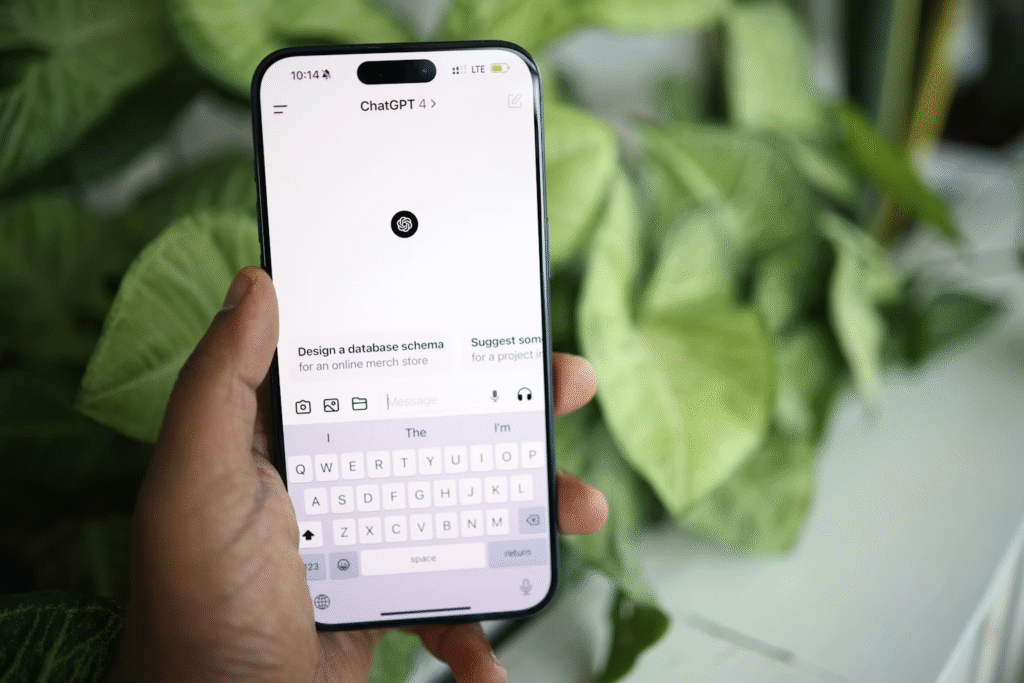
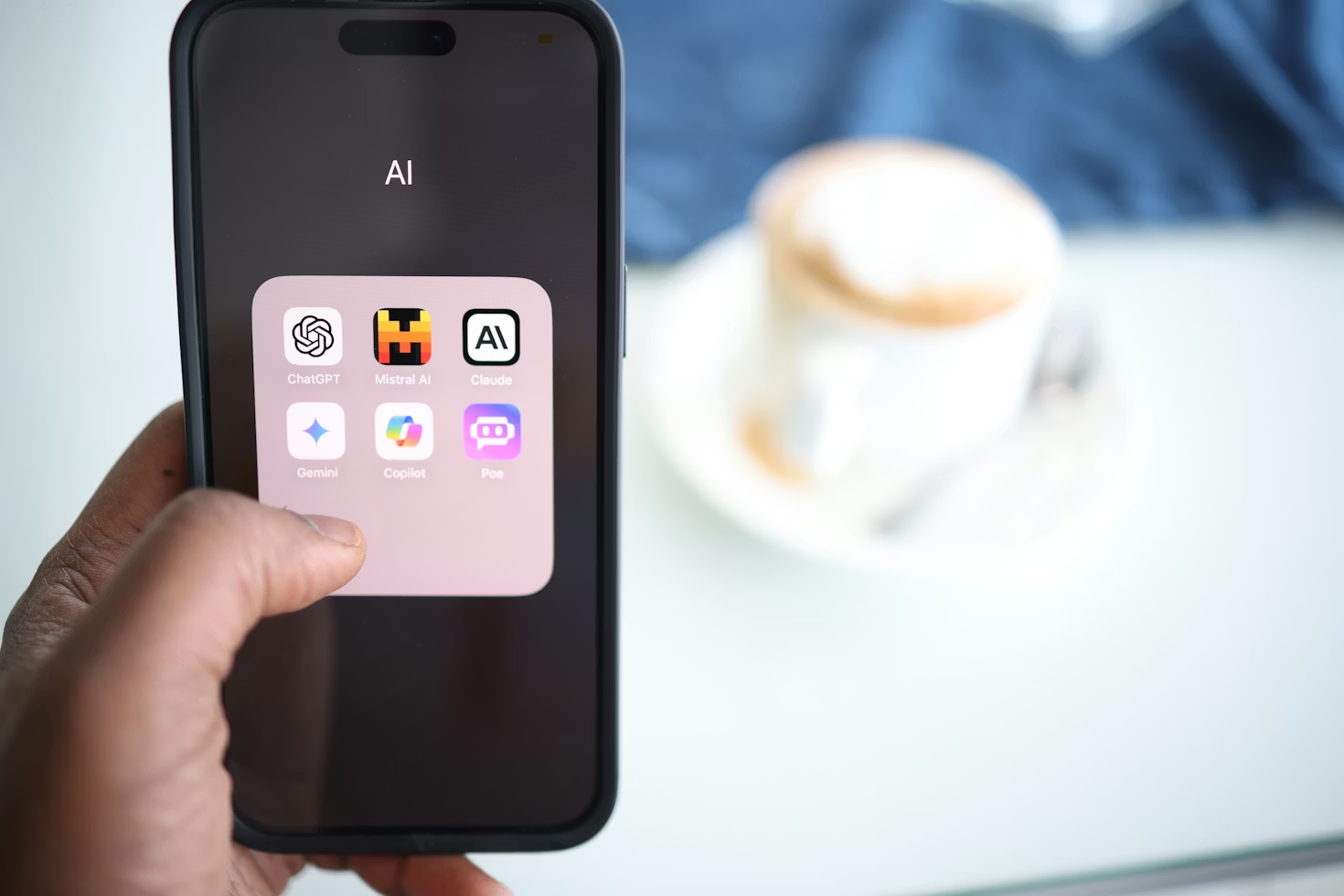
For a lot of people, the first contact with AI isn’t dramatic. It’s small. Writing an email. Rephrasing a message. Generating a quick shopping list. Finding ideas for dinner. These are the different ways to use ChatGPT that quietly slide into your routine.
Instead of staring at a blank screen, you get a starting point. Instead of overthinking a polite reply, you draft something in seconds. It doesn’t replace your thinking, but it reduces friction.
That’s where AI genuinely helps. Not in flashy breakthroughs, but in saving mental energy. And when you’re mentally stretched, even small time savings feel significant.
2. Preparing for work and career moves
AI has slipped into the job market too. People now prepare for interviews with tools like BitFern, practise answers with chat-based models, and refine CVs using automated feedback.
On one hand, that levels the playing field. Not everyone has access to mentors or career coaches. They’re expensive. Exclusive at times. Perhaps even inaccessible for most people. But AI can simulate interview questions or help polish responses. It’s not a replacement, but it certainly covers the basics.
On the other hand, there’s a risk of over-polishing. If everyone uses the same tools, answers start sounding similar. The advantage changes from who prepared to who sounds most human. Still, for someone lacking guidance, these tools can remove a layer of anxiety.
3. Creative uses for AI in daily life
AI isn’t just for work. There are plenty of creative uses for AI that surprise people. Writing short stories. Brainstorming gift ideas. Planning trips. Generating workout plans. Even drafting social media captions.
It acts like a thinking partner. You throw out a half-formed idea. It reflects something back at you. Maybe it “finishes” the idea that you started. That kind of a feedback loop can spark creativity rather than replace it. It’s great to build on what you already have. But perhaps, not so much when you’re starting from scratch.
But the key difference lies in how it’s used. When AI becomes a collaborator instead of a crutch, it expands possibilities. When it becomes the sole creator, things start to feel hollow. Used thoughtfully, it adds convenience without erasing personal input.
4. The complicated space of AI art
AI art has stirred strong opinions. Some see it as playful and accessible. Others see it as a threat to traditional artists. The truth sits somewhere in the middle.
Exploring the pros and cons of AI art reveals something interesting. It can be fun. Generating surreal landscapes or fantasy characters in seconds feels impressive. It opens doors for people who might not have formal art skills.
But it shouldn’t replace real artistry. Human-made art carries intention, lived experiences, and skill developed over a long period of time. AI art works best as experimentation. It’s not a substitute. It can’t replace the human element that goes into art. So instead, treat it like a creative tool, not a shortcut to replacing artists.
Source: Unsplash (CC0)
5. Assistive technology and accessibility
This is where AI makes a clear difference. Using AI in assistive technologies like communication aids has changed lives. Speech-to-text tools. Text-to-speech systems. Predictive typing. Real-time translation.
For people with disabilities, these aren’t novelty features. They’re gateways to independence. AI-driven tools can help someone communicate more easily, access education, or manage tasks they previously struggled with.
In this context, the conversation changes a little. It’s not about convenience. It’s about access. When technology reduces barriers instead of creating them, its value becomes much more tangible.
6. AI in marketing and everyday influence
Many people don’t realise how much AI shapes their environment already. AI is already being used in advertising, from personalised recommendations to automated content generation.
You scroll through your feed. Products seem oddly relevant. Emails appear timed perfectly. That’s not random. It’s algorithm-driven targeting.
This can feel helpful. You see things that match your interests. But it also raises questions. How much of your attention is being guided? Convenience and influence sit side by side here. The line between helpful and manipulative can blur quickly.
7. When convenience turns into dependency
AI reduces effort. That’s the appeal. But there’s a subtle trade-off. If you rely on it for every draft, every idea, every decision, your own thinking muscles weaken.
It’s tempting to outsource cognitive strain. After all, why struggle through something when a tool can generate it instantly? But struggle has value. It builds skill.
AI makes life easier when it removes repetitive friction. It becomes problematic when it replaces learning. The difference often comes down to awareness. Are you using it to assist, or to avoid effort altogether?
8. The emotional side of AI adoption
There’s also a psychological layer when it comes to adopting AI. Some people feel empowered by AI. Others feel uneasy. Replaced perhaps. Overwhelmed by rapid change. For the average person, that emotional response matters. If technology makes you feel anxious or inadequate, its practical benefits might not outweigh the discomfort.
The most sustainable use of AI is moderate and conscious. Use it where it helps you and ignore it where it doesn’t. Try to keep your own judgement in the loop.
Some final words
So, is AI really making life easier? In many cases, yes. It saves time. Reduces mental load. Expands access. Offers creative support. But ease comes with responsibility. The tools aren’t inherently good or bad. They reflect how we choose to use them.
And that’s usually when people realise something important. AI doesn’t automatically simplify life. It simplifies parts of life. The rest still depends on you.