Risk management often gets framed as a brake on growth. From a finance seat, it should function as a stabilizer instead. The objective is not to slow operations down. It is to reduce preventable loss while preserving speed, clarity, and accountability. When risk initiatives are structured around measurable return, they become performance tools rather than compliance exercises.
For chief financial officers, the question is practical. How do you protect margins, support expansion, and limit exposure without adding layers of administrative drag? The answer begins with reframing operational risk as a controllable cost category.
Via Pexels
Viewing Operational Risk as a Financial Line Item
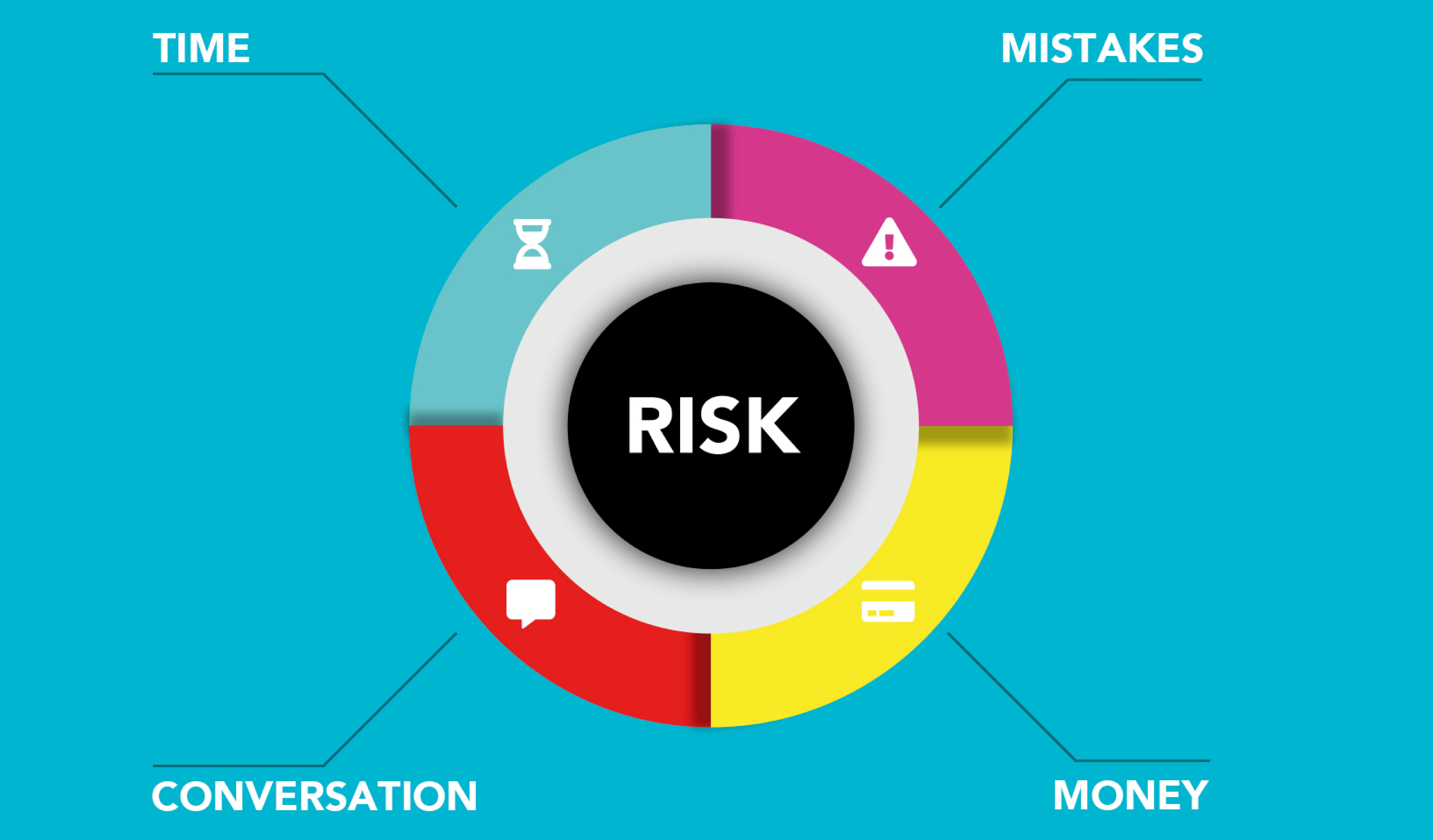
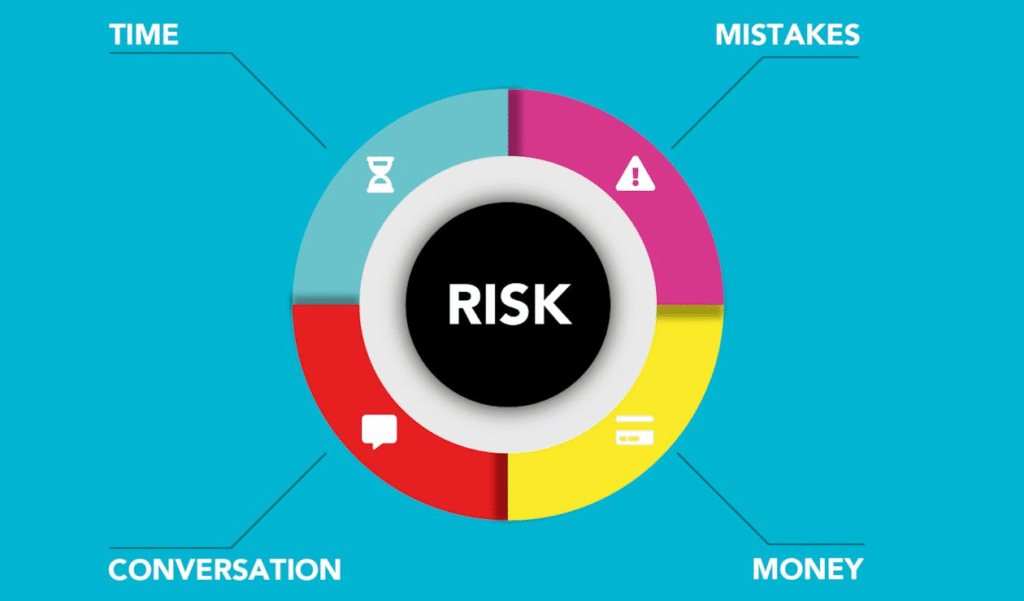
Operational risk rarely appears in one place on the income statement. It surfaces through inventory shrinkage, unplanned downtime, workers’ compensation claims, audit findings, and insurance renewals. Each incident carries direct expense and indirect impact, such as productivity loss or management distraction.
Treating these issues as isolated events makes them harder to control. Aggregating them reveals patterns. When finance teams track incidents by location, department, and root cause, they can calculate the true cost of inaction. This approach allows leadership to evaluate mitigation investments with the same rigor applied to capital projects.
The goal is not zero risk. It is a predictable risk that stays within a defined tolerance.
Framing ROI Around Fewer Losses and Disruptions
Risk reduction initiatives should be evaluated through return on investment. The clearest indicators are fewer losses and fewer disruptions. If a facility upgrade lowers shrinkage or reduces service interruptions, that improvement can be quantified in avoided cost.
Insurance premiums and deductibles provide another lens. Carriers reward strong controls and documented procedures. Over time, better risk management can stabilize renewal negotiations and reduce claims volatility. The savings compound when improvements are consistent across multiple sites.
Administrative efficiency also matters. When systems are standardized, reporting becomes easier and audits consume less executive time. These gain free internal resources for strategic planning rather than corrective action.
Scaling Controls Across Multiple Locations
As organizations expand, complexity increases. Different locations often adopt their own processes for physical security, access permissions, and vendor oversight. This fragmentation creates uneven exposure.
Working with Access control installers can streamline how permissions are assigned and maintained, so leadership is not constantly resolving preventable issues after they occur. Centralized oversight improves visibility while local managers retain operational flexibility. The result is a cleaner audit trail and fewer surprises.
Standardization does not mean rigidity. It means defining a clear baseline of controls that travel with every new site. This consistency simplifies integration during acquisitions and accelerates onboarding when teams grow.
What to Track Each Month
Monthly reporting keeps risk management grounded in data. Finance leaders should monitor incident frequency, total loss value, and downtime hours. These metrics reveal whether exposure is trending upward or stabilizing.
It is also useful to track time spent on compliance tasks and remediation. If administrative hours decline after a system upgrade, that reduction represents a measurable return. Insurance claims activity and premium adjustments should be reviewed alongside operational data to capture the full financial picture.
Access logs, permission changes, and exception reports provide additional insight into control effectiveness. When anomalies decrease over time, leadership gains confidence that safeguards are working as intended.
Building Momentum Through Predictability
Reducing risk does not require slowing expansion. It requires disciplined measurement and thoughtful implementation. Investments that lower losses, simplify oversight, and support compliance create financial stability. Stability supports growth.
For CFOs, the path forward is straightforward. Define acceptable exposure levels. Quantify current costs. Implement scalable controls. Review performance monthly. When risk initiatives are aligned with operational efficiency, they strengthen both protection and progress.