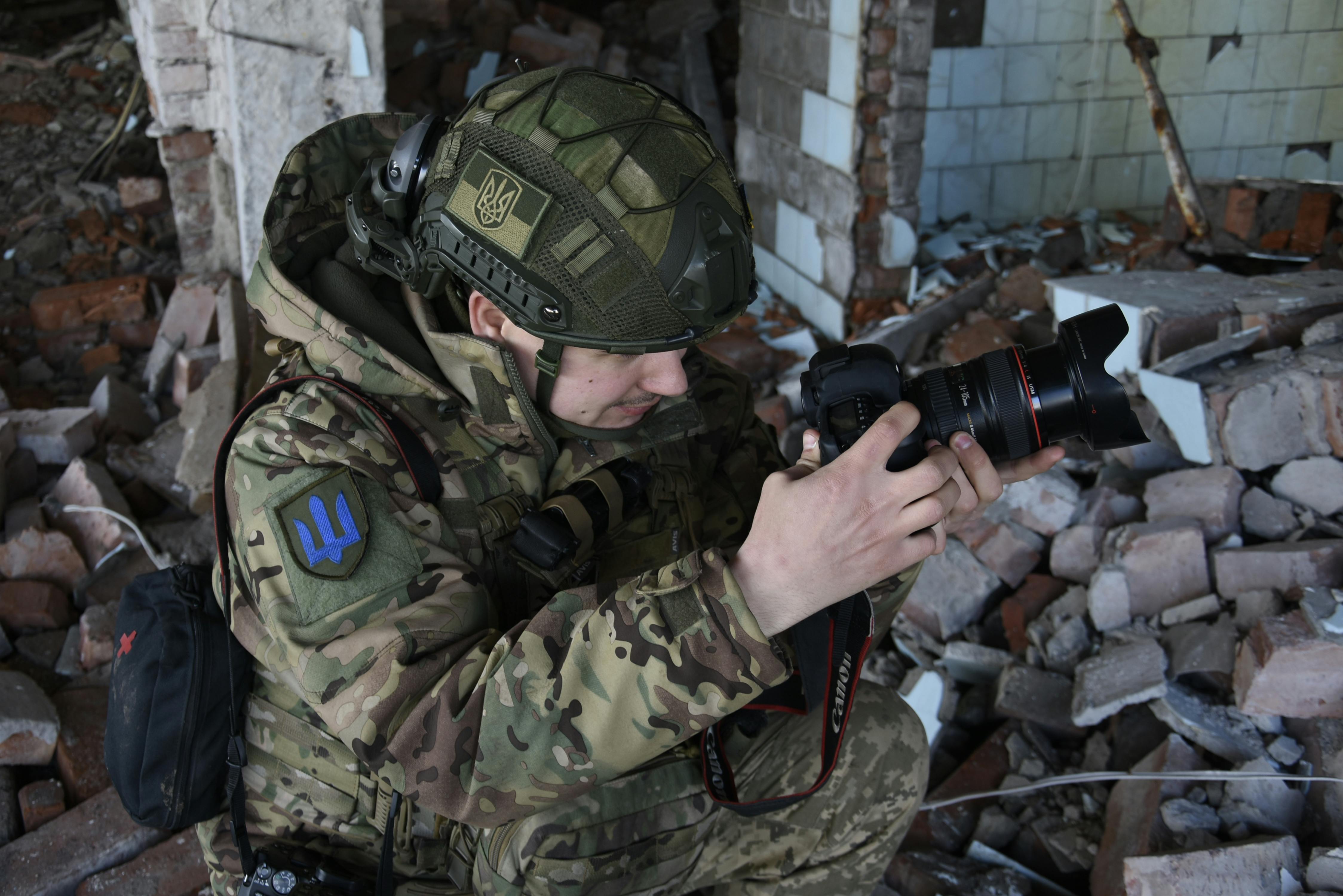
Extreme conditions create many challenges for the equipment used by field recordists, including dust, mud, moisture, shock, and temperature fluctuations. A field recordist will need to use a piece of equipment that works the first time to capture quality audio in an unstable environment, such as during a disaster relief effort or in a combat zone. The process of selecting the best equipment for a given application involves identifying which potential failure point is most likely to happen and how to eliminate the possibility of that failure.
Via Pexels
Designs for Field Recorders
When working in a hostile environment, such as during a conflict or in a remote wilderness area, the design of the recorder itself must be rugged enough to withstand physical abuse and operate simply. The use of a metal case, recessed controls, and recessed screens reduces the likelihood of damaging the recorder if dropped while also providing additional protection when the recorder is stored in a tight space. Additional features that aid in simplicity include high-visibility meter displays, glove-friendly controls, and lock-out or lock-in type of buttons for the transport functions to prevent the recorder from being stopped accidentally.
The ability to provide adequate power to a recorder in the field is critical. If a recorder has dual power sources (such as hot-swappable batteries and external DC), the recorder can continue to function even when access to the AC mains is limited or there is no opportunity to recharge the batteries. Adding weather-resistant port covers and sealing the battery compartment with gaskets will provide additional protection for the recorder against precipitation, dust, and fine sand.
Microphones Designed for Harsh Environments
Shotguns and lavaliere microphones used in extreme environments require performance characteristics beyond just having a flat frequency response. An important aspect of microphone design for harsh environments includes using an IP-rated housing, corrosion-resistant metals, and reinforced cable strain reliefs. Wind noise can be mitigated by using a fully enclosed blimp with high-quality fur instead of depending on foam to control the wind.
Another significant factor is moisture. To protect microphones exposed to high humidity, rain, and ocean spray, adding desiccants to the recording kit, storing microphones in vented tubes, and implementing regular drying cycles for the capsule will extend their lifespan. Using color coding and labeling will enable you to quickly deploy the correct microphone when recording opportunities are limited.
Rugged Connectors, Adapters, and Cables
Most recording failures in the field occur at weak points in the signal chain as opposed to the recorder or microphone. Utilizing cables and connectors designed to withstand repeated bending, snagging, and foot traffic through the use of braided shields, strong strain reliefs, and heavy-duty outer jackets will enhance reliability. Additionally, using right-angle connectors will minimize stress to cables in a crowded bag or rig.
Adapters, interface boxes, and comms links should match that durability. Locking connectors, clearly marked channel paths, and weather-sealed housings help prevent intermittent noise and disconnections. When integrating feeds from walkie-talkies into your recorder for coordination audio or reference tracks, shielded interface cables and secure strain reliefs prevent crackle and dropouts. Specialized connectivity solutions from brands like Bifrost Gear focus on mission-ready cabling and adapters that are engineered to stay connected under impact, vibration, and exposure.
Creating a Reliable Audio Kit
A reliable field kit treats every single connection as vital. Include redundant cables and key adapters with your recording kit and perform a signal check of each connection before departing from a safe base. Use color-coded looms and short patch leads to maintain an organized and easy-to-debug rig. Store equipment in weather-resistant cases with customized inserts to prevent equipment damage and cable kinking due to impacts and bending.
A field recordist who designs his or her kit with durability, redundancy, and clean connectivity in mind will be able to maintain consistent, usable audio in an environment that is both unpredictable and challenging.