
If your house doesn’t feel like home to you, you’re not alone. Many people experience this problem when they’ve been on a property for some time and for some reason it just doesn’t fit their particular lifestyle needs or values anymore.
The way to ensure your house feels like a home is to buy somewhere that really works for you in the first place. However, if this is not possible, there are also changes that you can make later on to completely transform your home feel. Remember, if you don’t feel like your house is your home, it’s mainly to do with you. If you can establish a proper psychological connection with your property, then everything should change for you pretty quickly.
There is an underlying psychological factor
One of the reasons your house might not feel like a home is if there’s an underlying psychological factor that’s getting in the way of you establishing a proper emotional connection with it. It might not feel safe or welcoming, or there could be a childhood pattern at play. You could also be experiencing burnout and just simply fed up with your environment as it signals the jobs and chores that you need to do.
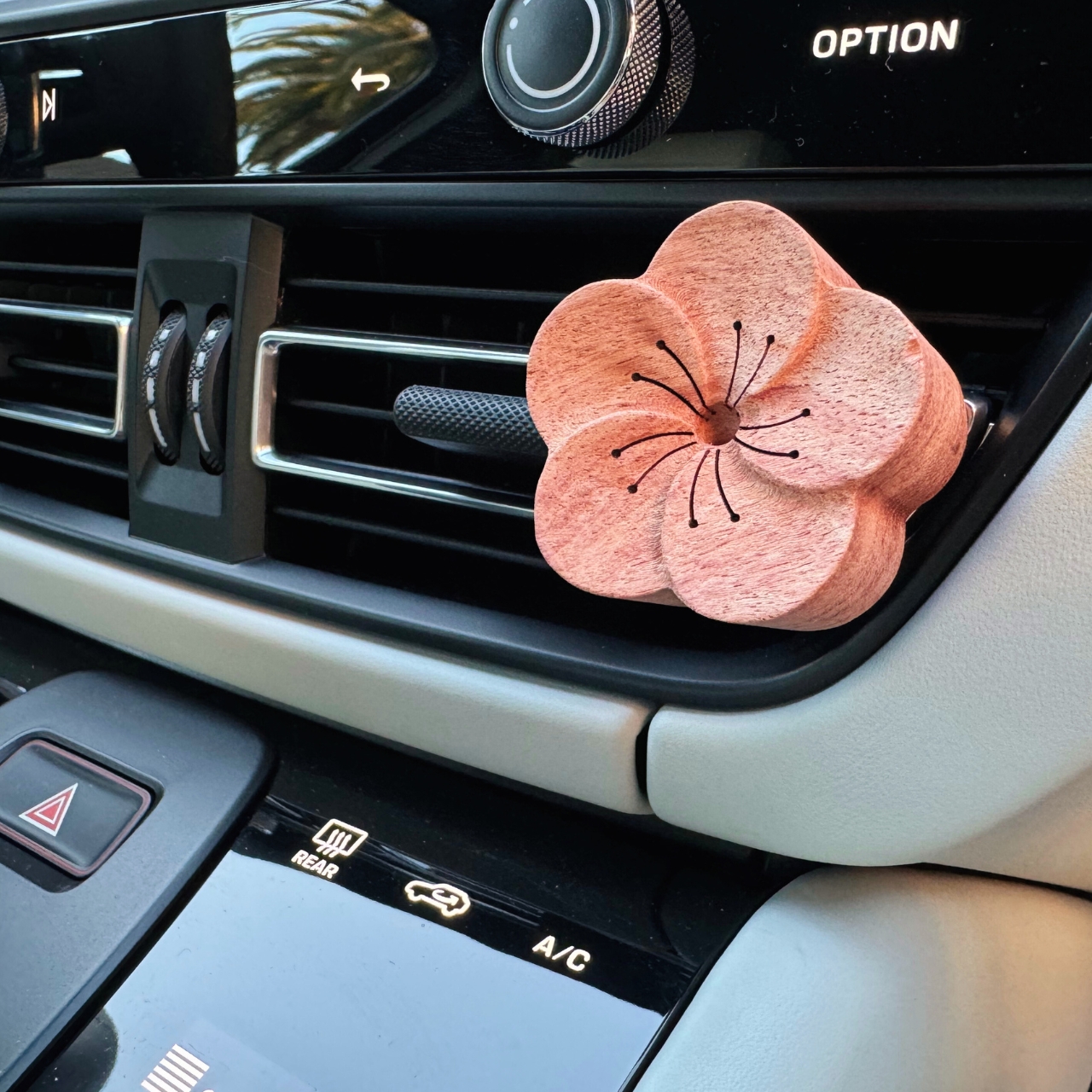
The trick to making a house feel like a home is to get your nervous system to react to it in the right way. You want to activate the parasympathetic state instead of the sympathetic state, with the latter involving rest and relaxation far more than the former. If feeling on edge and stressed in your home is a problem, then look at ways to fix this. Some of these we’ll discuss below, but it could be as simple as changing the aroma or tidying up your rooms.
Missing community
Another issue with your home is that it might not feel like a community. You may feel detached from everybody else, making the problem of self feel unloving towards you. If you lack local connections, it can actually have knock-on effects on how you see your home. You can feel isolated even if you have lots of family members inside. If you’re detached from broader life, then you don’t have that sense of community that so many people look for. If home means rootedness and ties to you, then branch out and look for other things you can do and find ways to improve your well-being.
It feels cold inside
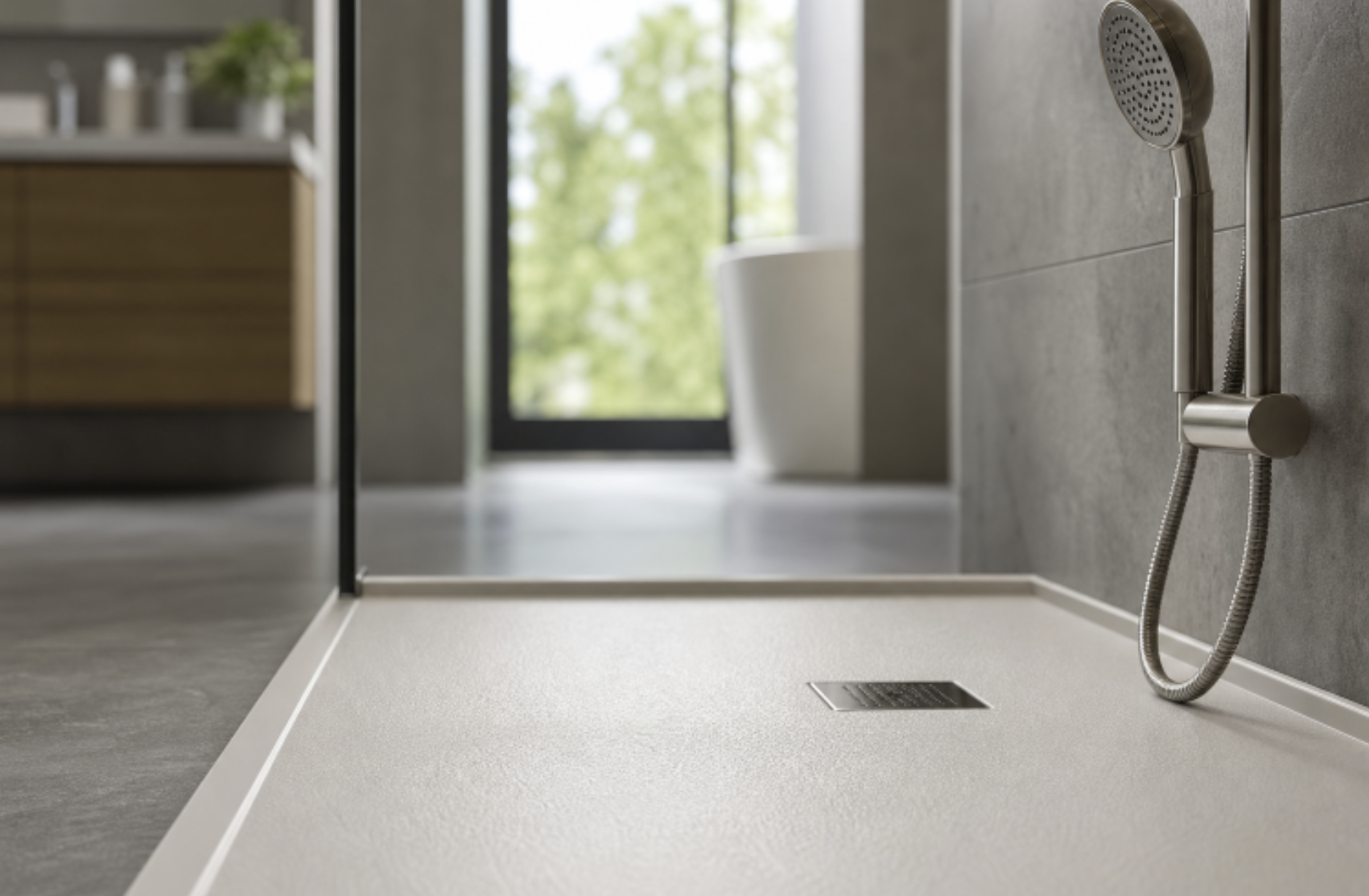
And clean clinical internal themes. They also have hard surfaces everywhere and stark colors like gray just because they’re modern. If you have an overly modernist or minimalist look, then change it. Find ways you can adjust design elements to make the space feel less sterile. Even small changes like reducing the harshness of the lighting and making it warmer can make homes feel more beautiful. You don’t necessarily have to spend a lot of money on expensive mirrored side tables or vases.
If your home still feels cold after an interior redesign, think about adding plants or orchids to your interiors. You could also install a new gas fireplace or get electric heaters if physical cold is the real problem. If dampness is an issue, use dehumidifiers. These are by far the most effective way to reduce the risk of mold from entering your property and to get the warm, cozy home that you’ve always wanted. You could also add soft furnishings to your sofas and chairs. Things like blankets and pillows can also make a difference if the lack of warmth is coming from things like hard floors or rigid seating.
Check the design
You also want to check the design of your home. It’s always best to get custom designed house plans. These allow you to arrange the interior how you want. If your property isn’t set up for you and your lifestyle, then it’s always going to feel a little bit alien to you. You’re not going to be able to engage in the activities that you want to enjoy.
If the design is a real problem, then you might want to move to a new property or get a builder to custom design one for you. You could also look at making your current interior more open-plan or extending an indoor/outdoor space that meets your requirements.
An emotional shift
This is another way that can make your house feel less like a home. If you’re going through a breakup or a loss or even grief, then it can cause you a lot of tension. Just being in the same property that you used to spend time with a partner in can have an enormous effect, even if the physical space stays the same. It brings with it a lot of emotional baggage and memories that you don’t want.
When this happens, then the only solution is usually to move. If you move to a new place, if you can change city and adopt a completely different lifestyle, then that can transform your life and how
It doesn’t match your lifestyle
One of the biggest reasons that your house no longer feels like a home is that it simply doesn’t match your lifestyle anymore. Everything about it is wrong from the flow to the furniture. If there are awkward pathways or uncomfortable seating, it simply doesn’t feel right, and rooms feel like they don’t serve your needs anymore. You don’t want a home that’s constantly fighting your daily life. You need something that fits in with how you live.
For example, if you have carpets right by your front door, then bringing in muddy dogs from a walk in the park isn’t a good idea. You want a property that has a proper indoor-outdoor space that meets your requirements. You also need enough bedrooms for family members if you have four children but only two bedrooms, then that’s not ideal.
So, why doesn’t your house feel like a home? Hopefully you’ve looked through some of these reasons, and they have chimed with you in some way.