
Mental Health – Healing from quiet abuse takes time because the harm was subtle, ongoing, and often invisible. Recovery isn’t about “getting over it”—it’s about rebuilding trust with yourself and restoring nervous system safety.
Here are practical, mental-health-aligned steps that support real healing:
1. Rebuild Self-Trust First
Quiet abuse damages your confidence in your own perceptions. Start by validating your experiences—without needing proof or permission from anyone else.
Write things down. Notice patterns. Trust what your body felt, even if no one else saw it.
2. Regulate Your Nervous System
Quiet abuse keeps the body in a constant low-grade stress response.
Helpful practices include:
- Breathwork or slow breathing
- Grounding exercises
- Gentle movement
- Time in silence or nature
Calm isn’t laziness—it’s repair.
3. Stop Explaining Yourself
You do not owe clarity to people committed to misunderstanding you.
Healing accelerates when you stop defending your boundaries to those who benefit from crossing them.
4. Create Emotional Distance Before Physical Distance
If full separation isn’t immediately possible, begin by limiting emotional access:
- Share less
- Respond slower
- Stop seeking validation
Distance starts internally.
5. Seek Support That Doesn’t Minimize You
Healing happens faster when you’re believed.
Choose support systems—friends, therapists, practitioners—who do not excuse emotional harm or ask you to “be the bigger person” at your own expense.
When No Contact Is Necessary (Even When It’s Hard)
Sometimes healing requires no contact, even when the relationship is complicated.
This can include:
- Friends
- Family members
- Ex-partners
- Co-parents
- People who refuse to let go or respect boundaries
No contact is not punishment.
It is protection.
No Contact Does NOT Mean:
- You are cruel
- You don’t care
- You’re immature
- You’re avoiding healing
It means you are choosing peace over chaos.
What About Children and Shared Responsibilities?
When children are involved, no contact becomes low contact or structured contact.
This can look like:
- Communication only about logistics
- No emotional conversations
- No personal disclosures
- Written communication only
- Clear, enforced boundaries
Children benefit from emotionally regulated adults—not forced proximity to dysfunction.
If They Don’t Want to Let Go
People who benefited from your silence often resist your healing.
That resistance does not mean you are wrong.
It means the dynamic has changed—and they don’t like losing control.
Frequently Asked Questions (FAQ)
❓ Is quiet abuse real even if there was no yelling or violence?
Yes. Quiet abuse is emotional and psychological. Its damage comes from repetition, manipulation, and erosion of self-trust—not volume.
❓ Can friends or family be quietly abusive?
Absolutely. Quiet abuse can exist in friendships, families, workplaces, and romantic relationships.
❓ Is going no contact too extreme?
No. No contact is a valid mental health boundary when repeated emotional harm continues despite communication.
❓ What if they say I’m overreacting?
That response is often part of quiet abuse itself. Your feelings don’t need approval to be valid.
❓ Can I heal without confrontation?
Yes. Healing does not require closure conversations, explanations, or final talks—especially with people who deny harm.
Healing Is Not About Toughness—It’s About Safety
You don’t heal by enduring more.
You heal by choosing environments where your nervous system can rest.
At Pump It Up Magazine, we believe mental wellness begins with awareness, boundaries, and the courage to protect your peace.
✨ Ready to support your emotional healing?
Explore gentle, holistic tools designed to help release stored emotional stress and restore inner balance.
👉 Book your wellness session today:
🌿 www.westendorganix.com
You’re allowed to choose peace—even if others don’t understand it.
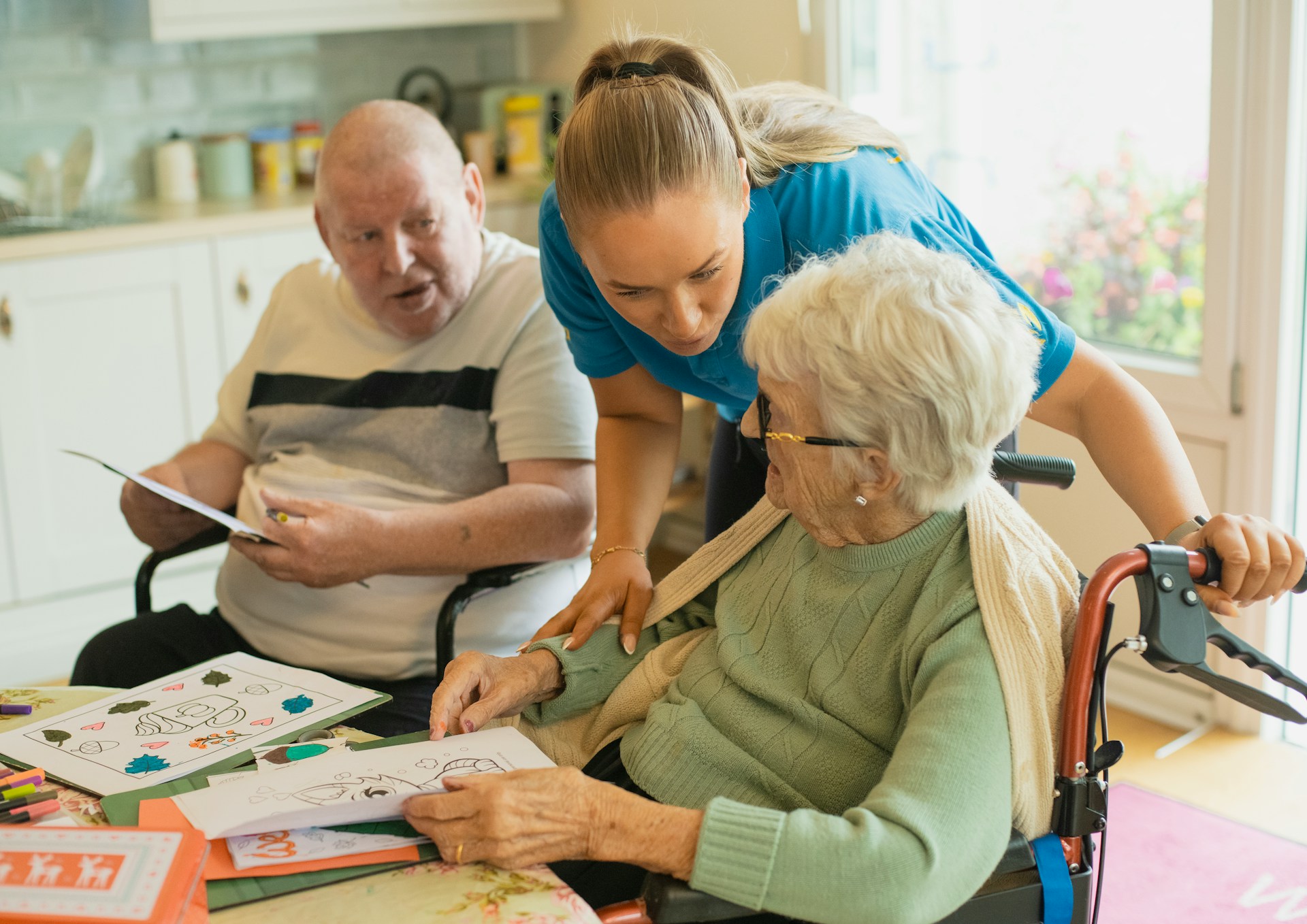
Photo by Andrea Piacquadio:
🎧 Tune In & Transform: The Pump It Up Magazine Podcast
If today’s topic hit home, don’t miss our Pump It Up Magazine Podcast — a space where real stories, mental health insights, self-help tools, and inspiring conversations meet practical empowerment. Every episode is crafted to help you:
🔥 Reclaim confidence
💬 Heal emotional wounds
🤍 Strengthen inner peace
✨ Live with intention
Whether you’re navigating boundaries, healing from toxic dynamics, or building resilience — this podcast meets you where you are and lifts you where you’re going.
👉 Listen on Apple Podcasts:
🎙️ https://podcasts.apple.com/us/podcast/pump-it-up-magazine-empowering-self-help-stories-entertainment/id1642086743
👉 Listen on Spotify:
🎧 https://open.spotify.com/episode/42VyD7oL4uI0amyCycqfM9
Subscribe, listen, and let each episode inspire the next step in your journey.
Because growth isn’t just personal — it’s powerful. 💛