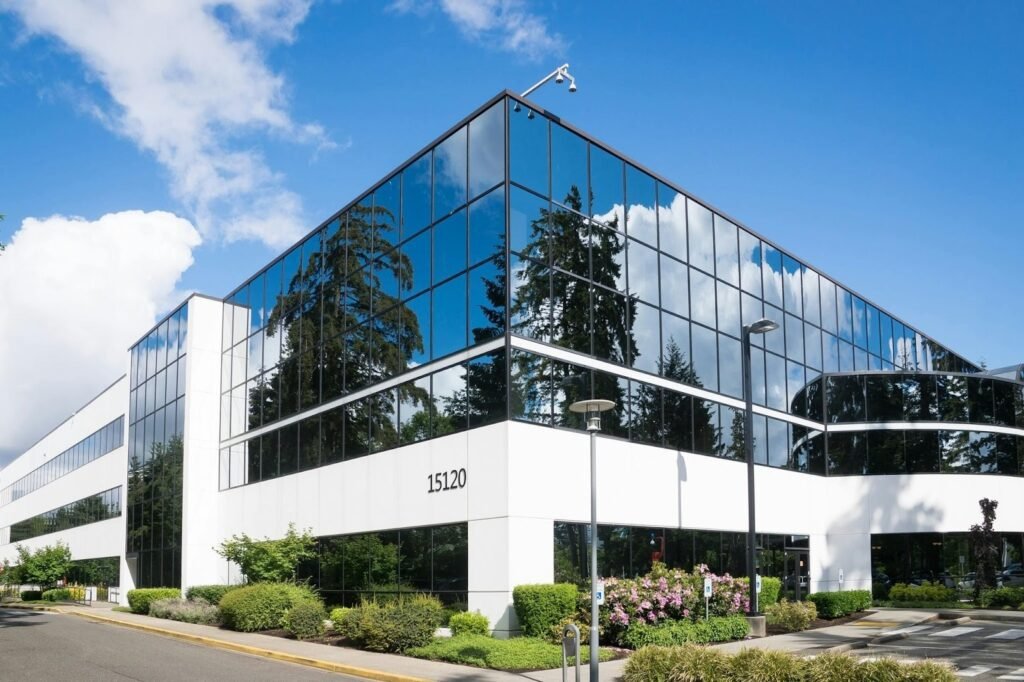
Buying a property for your business is a big move for a small company. It signals that you have made a success of your operations and both need and can afford to find a premises for your staff to work out of, so it is undoubtedly exciting. It’s also pretty scary too, right? Because all of the good things, like no more rent checks and more control over your company comes with its own rules, risks, and rewards, and going in prepared can save you a lot of money (and stress).
With that in mind, let’s take a look at what you need to know before you buy.
Know Why You’re Buying (Not Just That You Can)
The first question isn’t “Can I buy this property?” it’s “Should I?” Buying makes sense if the property supports your long-term business goals, not just your ego.
Think about how much space you really need, whether your business is likely to grow or shrink, and how flexible the property is if your needs change. A building that works today but boxes you in tomorrow can become a liability fast.
Location Matters More Than You Think
In business property, location isn’t just about curb appeal. It affects customer access, employee commutes, zoning rules, and even brand perception.
Make sure the property is zoned correctly for your type of business and that any future plans, like signage, foot traffic, or deliveries, are allowed. What works for an office may not work for a retail space or light industrial use.
Do Your Due Diligence (This Is Not Optional)
Due diligence is where smart buyers protect themselves. This includes inspections, reviewing leases (if tenants are involved), checking environmental risks, and confirming utilities and infrastructure can handle your operations.
This is also the point where working with a property appraiser becomes extremely valuable. An appraiser helps determine whether the price reflects the property’s true market value, based on comparable sales and income potential, and not just what the seller hopes to get. Skipping this step can mean overpaying before you even open the doors.
Understand the True Costs of Ownership
Buying the property is only the beginning. Property taxes, insurance, maintenance, repairs, and capital improvements all fall on you once you own.
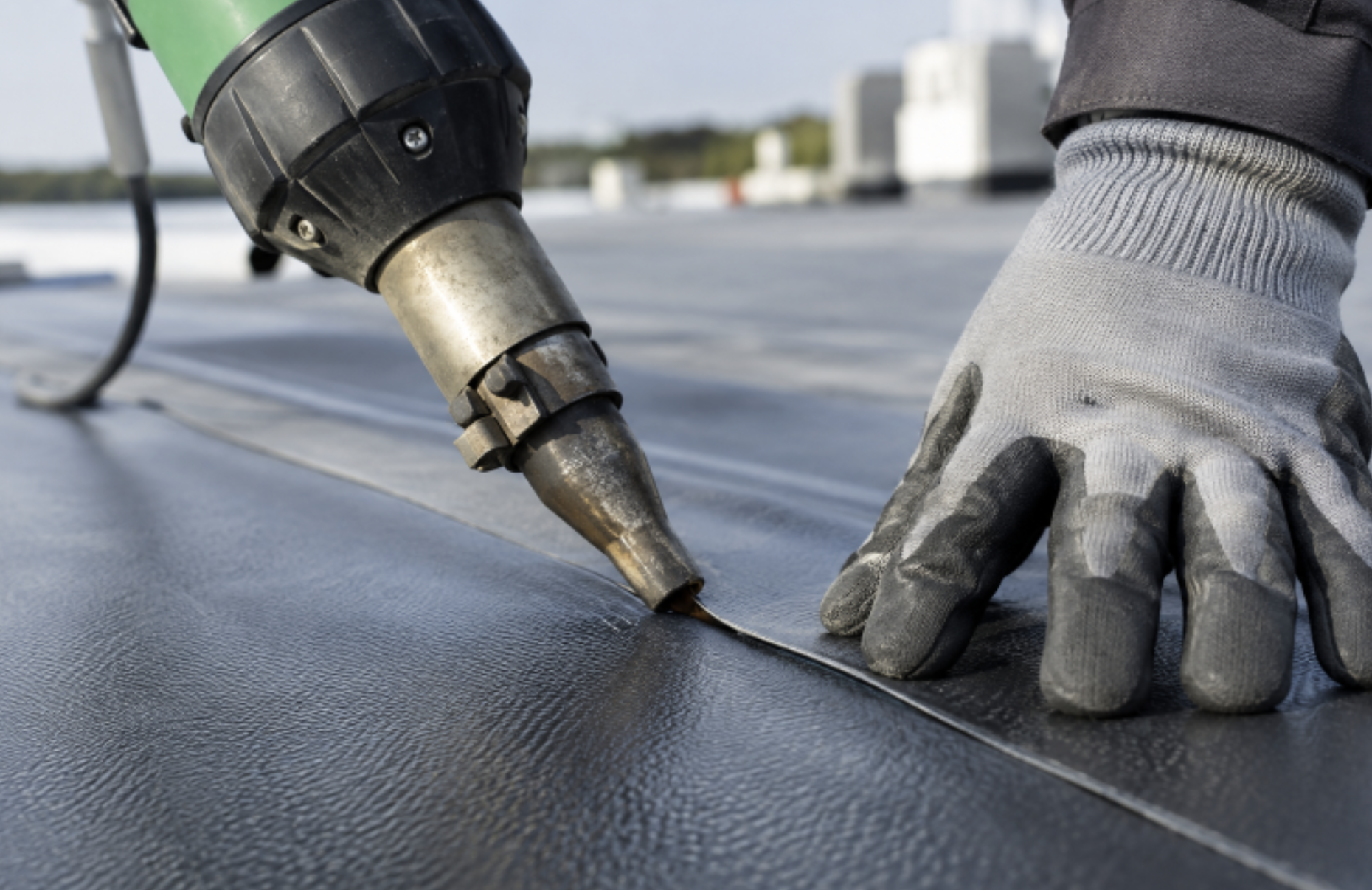
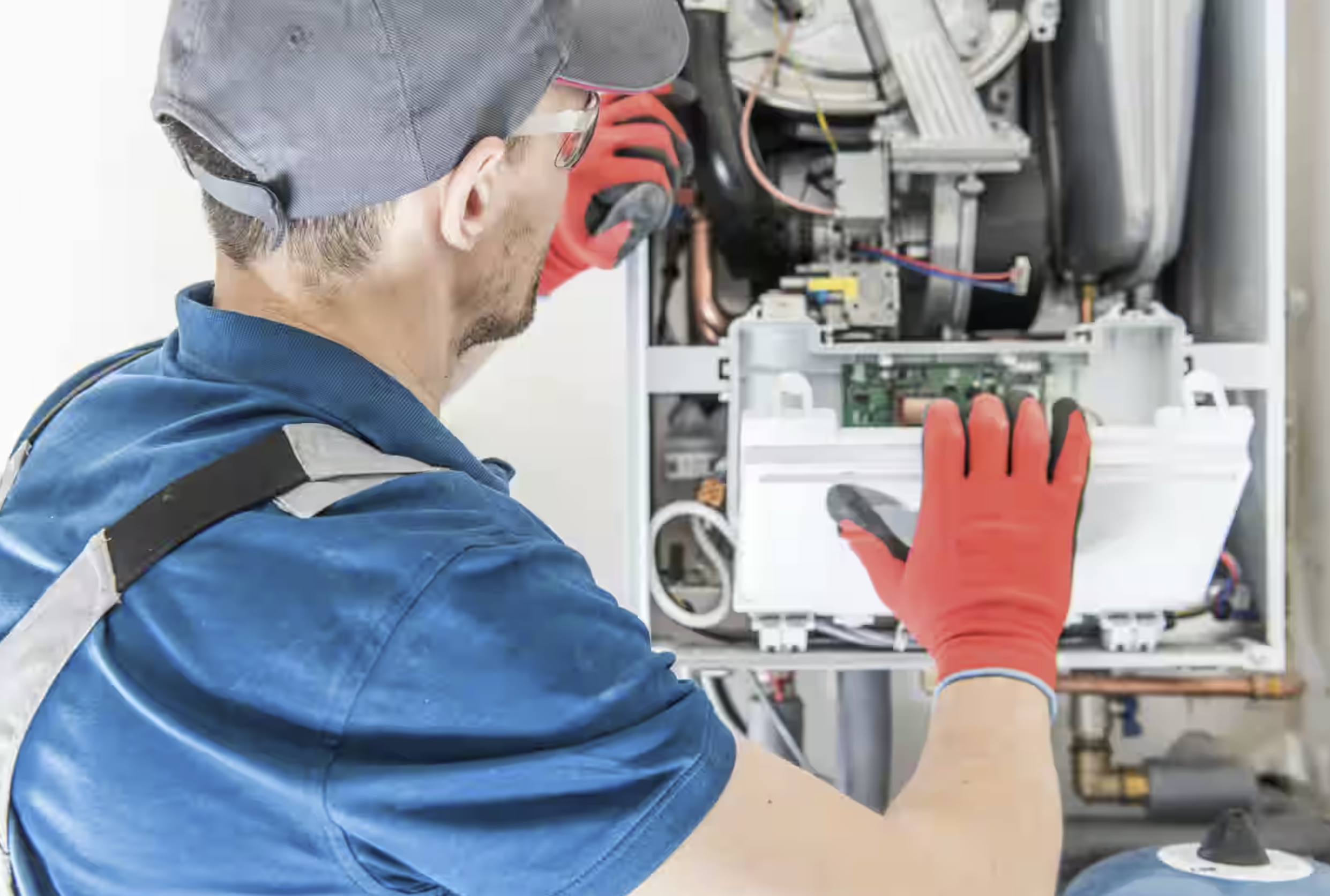
Commercial buildings often come with higher upkeep costs than residential properties, especially for HVAC systems, roofs, and parking areas. Build these expenses into your budget so they don’t surprise you later.
Think About Financing Early
Commercial financing works differently than residential loans. Expect higher down payments, shorter loan terms, and stricter underwriting.
Talk to lenders early to understand what you qualify for and how ownership will impact your cash flow. The goal is to strengthen your business, not strain it.
Get the Right Experts Involved
Buying business property isn’t a DIY project. A knowledgeable commercial real estate agent, attorney, accountant, and appraiser can help you avoid costly mistakes.
Yes, there will be fees involved in doing this, but they will be worth it if they save you from making a bad choice and all the associated costs that come with that.
Buying a business property is an exciting milestone, so take the time to get it right.