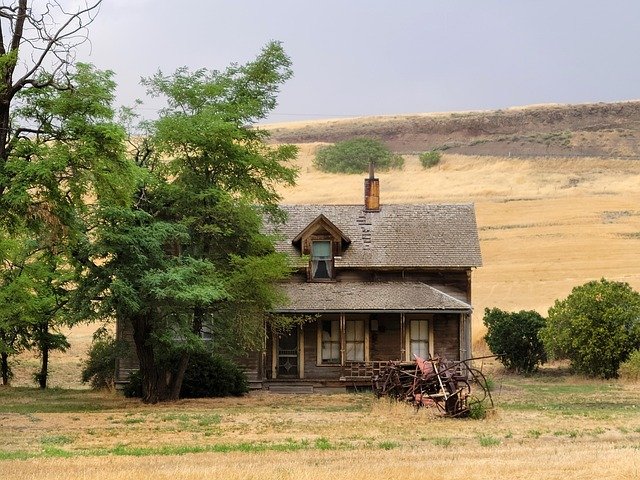
For many people, the past few years have reshaped the meaning of “home”. Where location used to mean being close to offices, nightlife, or amenities, a growing number of people are now instead searching for space, be that physical, emotional or mental. Rural living has quickly become more than a mere trend; it’s a lifestyle shift grounded in a desire for privacy, nature, self-sufficiency, and a slower pace of life that feels truly nourishing.
As more first-time buyers enter the market, though, they are discovering something surprising: buying land in the country is not simpler and more relaxed than buying in a big city. In many cases, it can actually be more complex. Unlike major suburban developments with predictable utilities and standardized legalities, rural land comes with questions over history, rights, and environmental considerations that aren’t always obvious when you’re scrolling through listings.
It’s easy to fall in love with a sweeping rural vista. The practicalities of securing that view are another thing entirely, and understanding these steps is what will help you protect your dream rather than putting it at risk.
What’s behind the move towards wide-open spaces
The shift towards rural living isn’t merely a matter of density-related affordability. It’s tied to lifestyle priorities that have been growing steadily.
A desire for groundedness
People want to reconnect with something more stable and physical – land, trees, quiet, and often sunlight. Rural spaces can provide a sense of place that is often lost in modern life.
Creative autonomy
More and more, people are picturing themselves on hobby farms, setting up studios for recording or painting in converted barns, gardens abuzz with life, in a home that feels like theirs.
Mental wellbeing
Nature’s calming effect is no longer an idle daydream; it’s become a priority. Many people find that open land gives them a sense of emotional spaciousness that they could never dream of in a city apartment.
The pull of self-reliance
Gardening, small-scale homesteading, animal breeding, collecting rainwater and using solar panels for energy independence – all of these have become increasingly mainstream in recent years. Rural properties allow people to experiment with lifestyle choices that feel meaningful and independent.
But bear in mind that these are the idyllic aspects of rural life, and they can obscure the practical side of things. When land becomes part of your personal wellbeing and your income, every detail matters: there are questions over boundaries, water, access, and use restrictions, as well as environmental responsibilities. Early legal awareness is essential in supporting the lifestyle change, while an absence of this awareness can be an obstacle to it.
Legal blind spots that need to be addressed
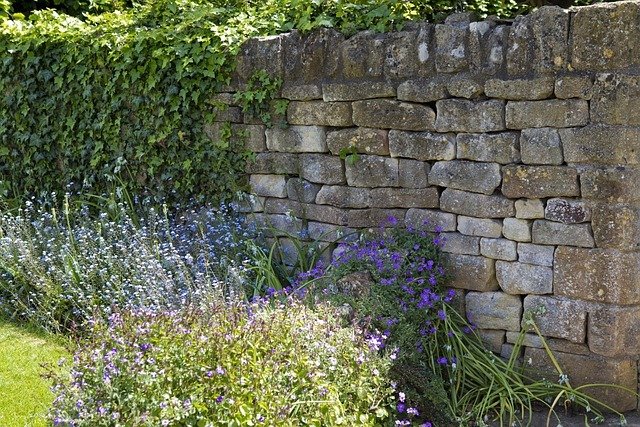
Many people assume, wrongly, that rural land equals total freedom. In truth, just about any parcel of land you buy comes with some conditions. Some of these are obvious, some buried, and some are inherited from decades’ worth of previous owners. Understanding these elements isn’t about turning land ownership into a legal headache – it’s about finding a way to make your vision for the property a reality. Here are some issues that commonly surprise new rural buyers:
Easements and access rights
One of the biggest misconceptions over rural land is that if you own the land, you control it in its entirety. Easements tell a very different story, and you may find yourself learning:
- A road that runs through the parcel is used by one or more neighbors
- A utility company has the right to enter certain areas
- A waterway must remain fully accessible for shared use
These arrangements may not be inherently problematic, but they do need to be understood before you plan additions to the land such as fences, private-use structures, or entryways.
Water rights and environmental responsibilities
Water access is one of the most confusing aspects of rural land because laws can differ greatly by region and even by locality. Buyers often don’t realize that:
- A well may be shared or its use limited
- Streams may be protected
- Certain land cannot be cleared due to habitat or conservation rules
Professional guidance in this matter can be transformative, because the small print always matters.
Old boundaries and historical land use
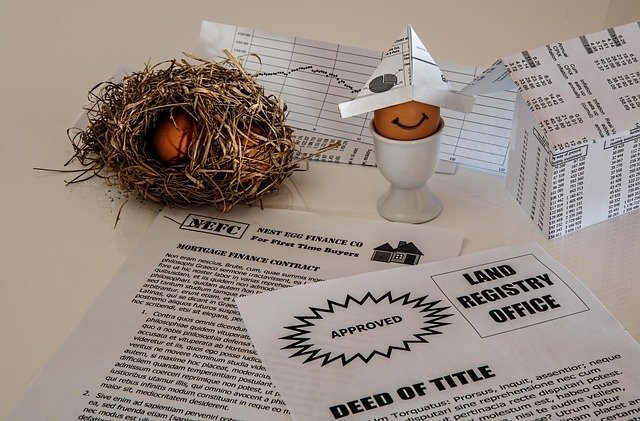
The ownership of a certain part of land, or rights over its use, are not dictated by solid structures such as fences and tree lines. They are dictated by land deeds and are always written down. You can’t tell what is and isn’t yours just by looking at it – old agreements over roadways, mineral rights and shared use don’t disappear because ownership has changed.
Adding a guest cabin or an artist’s studio may be dependent on these details, so working with a rural land attorney is a smart move. They’ll keep you in the picture on what you can and can’t do – and understand how to communicate with your neighbors so every decision made is in everyone’s best interests.
How to protect your vision for the land
The first thing you need to do to ensure your vision becomes a reality is asking yourself what it is you really want to do. Do you dream of a pollinator garden? An art or music space? Do you want to keep animals, or perhaps host events on the land? Have you bought it for agricultural potential, or just to live in true rural tranquility? Once you know what it is you want, you can verify whether the piece of land you have in mind can support those goals.
You need to expect that the land will have a story. Rural properties often have legacies, sometimes centuries old but underpinned by property law which can be tantamount to holy writ. And perhaps most important of all, you need to have respect for your neighbors. They will have been there longer than you and will know more about the land than you do. Merely paying for the property does not give you rights that supersede theirs. Work with them and you could benefit from their years of knowledge; try to get one over on them and you could turn your rural dream into a nightmare.
Being smart about a rural land purchase could make for the greatest adventure you embark upon in life. As long as you are sure to inform yourself beforehand, there’s every chance it will exceed your expectations.