Starting your own product line, no matter what the industry, sounds exciting, and it really is. But it can also feel like a lot to juggle if you’re going it alone. You have to think about your idea, the branding behind it, the logistics of getting it together, and everything in between. The trick? Don’t do everything at once. Take it step by step and let’s take a look at 10 tips for getting you started.
- Have a clear idea, but make it practical.
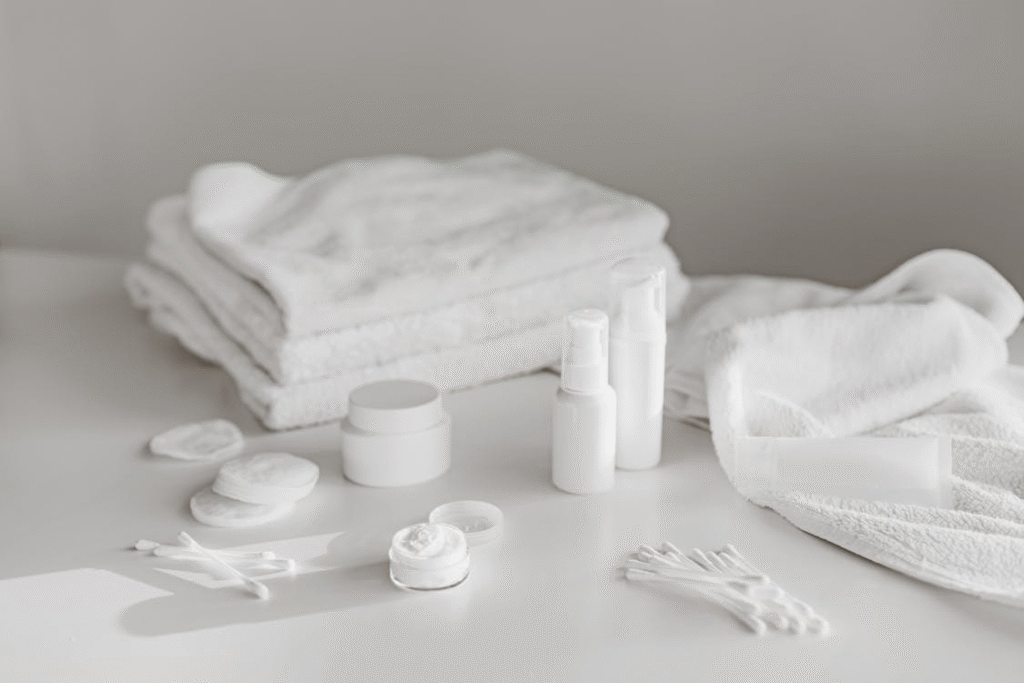
Every single product line begins with an idea. Every time you’ve walked into a supermarket or a clothing shop or a cosmetics counter and you’ve picked up a product, somebody started with an idea that it needs to be more than just nice. Think about who it’s for, what problem it solves, and why somebody would choose it over something else. If you are looking at going into something like beauty or skin care, even the details like packaging and cosmetics coding and marking solutions come into play very early on in the process as this affects compliance and presentation. It is all interconnected, so getting clear from the beginning will really help you get your start.
- Do a little market research.
You don’t need to go overboard, but it’s worth seeing what’s already out there. Who is your competition? What are they doing well, and where are the gaps? This is not about copying, but about understanding where your product fits and how it can stand out. Once you understand where your product stands out and who’s going to buy it, you then have more of an idea of your buyer persona.
- Keep your first range very small.
Ideas may be pouring out of your ears and it may be tempting to launch with loads of products, but that can quickly become too much. Starting with a small, focused range makes things so much easier to manage and helps you to maintain the quality of your product. You can always expand later on once you have found your footing and you have money behind you, but you need to start small so that you’re giving people a taste of what they could have in the future.
- Be very careful and intentional about your branding.
Your branding is what captures people’s attention. It’s the first thing that they notice. It’s the reason we look at certain products and know exactly which brand it is and who the designer is. It’s because we pay attention. It’s not just a logo, it’s the overall feel and look of your product, from the packaging that you choose to the tone of voice that you use behind the words. If you can keep this branding consistent across your product packaging, your website, and all of your marketing materials, you’ll be able to then make sure that your product reflects you and what you’re all about.
- Find reliable suppliers.
Whether it’s materials, packaging or manufacturing, having dependable suppliers is key. Take the time to research and if possible, test samples before committing. A good supplier relationship is going to save you a lot of stress down the line.
- Understand what your costs are as early as possible in the process.
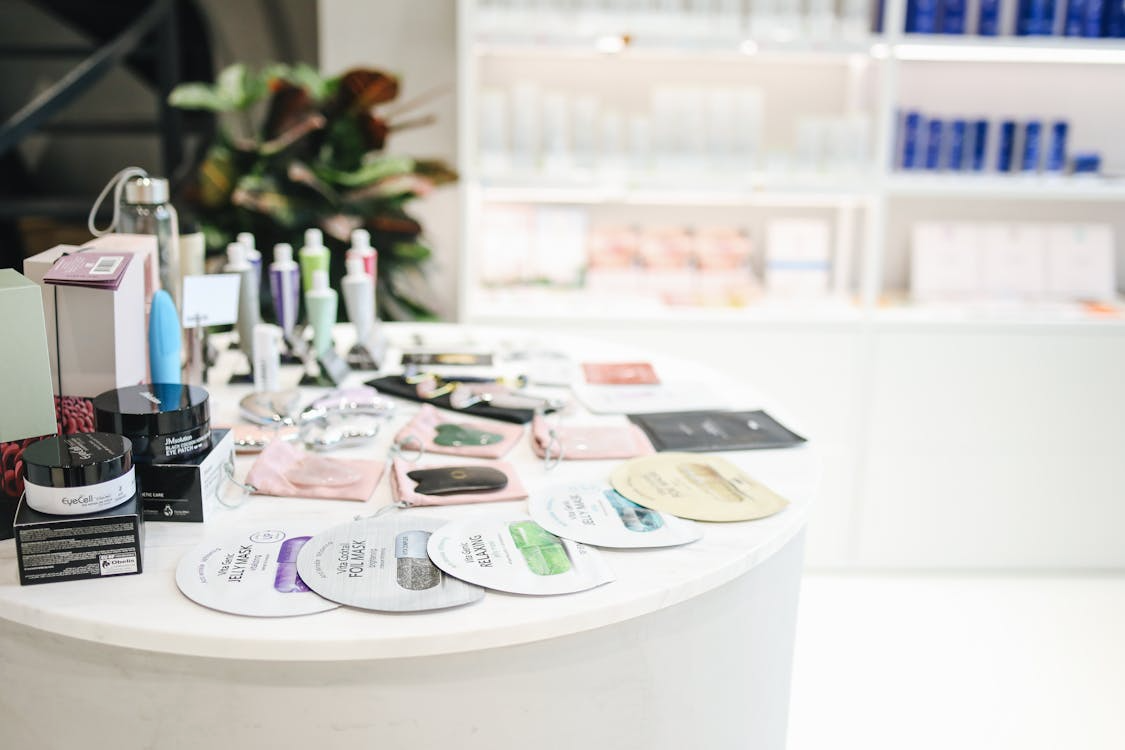
Money is always a big factor, isn’t it? It’s very easy to focus on the creative side and all of the big ideas that you’ve got and then forget the numbers, but they do matter. Working out how much it costs to produce each item, including packaging, shipping and any additional fees is important. This will help you to price your products realistically and avoid surprises later. While you don’t want to price yourself out over the market you’ve chosen, you also don’t want to be in the negative every month.
- Product development is a stage that should never be rushed.
Getting the product right before you get it on the shelves is well worth the time that you invest in it. Test it, gather feedback, make adjustments, test it again, gather more feedback, make more adjustments. Rushing this part leads to issues later on. You’re not going to take every single opinion from every single focus group on board because you’re going to have a specific idea of what you want your product to be and you cannot cater for the hopeful millions who buy your product. However, you do need to understand what people want.
- Plan how you’re going to sell it.
Are you planning on going through online retailers, in shop retailers, or both? Each option has its own pros and its own challenges. Selling online gives you more control, while retailers can help you to reach a much wider audience. Think about what works best for your situation. If the idea is to eventually end up in some of the big brand makeup and cosmetic stores, then approaching some of their marketing teams to figure out whether or not they’d be able to buy into you is always smart.
- Build a bit of buzz before the launch.
You don’t need a huge marketing campaign behind you, but it does help to create some interest before your product goes live. This could be through socials, e-mail lists, or even just a word of mouth for people around you. It’s that little bit of anticipation that can take you a very long way.
- Be patient and be flexible.
Things rarely go exactly as planned, and that’s OK. You might need to tweak your approach, adjust your pricing, or rethink parts of your strategy. Staying flexible here and open to learning will help you to navigate those changes.
Starting your own product line takes some time to build. You’re going to be building something from the ground up, step by step, and learning as you go while making steady progress. If you keep it simple, you give yourself the space to grow into it. And that’s exactly what you should want when you’re building an empire of your own.